Stories of the Struma
Read the valley through its own grape varieties
To understand the Struma Valley, you can start with its vineyards. The Wide Melnik Vine, the Early Melnik Vine – Melnik 55, the Sandanski Misket and the Keratsudata tell a story of climate, land and generations of winemakers. These are the varieties through which the place acquires its own flavor – and its own voice.
House of Struma
Published
7 September 2026
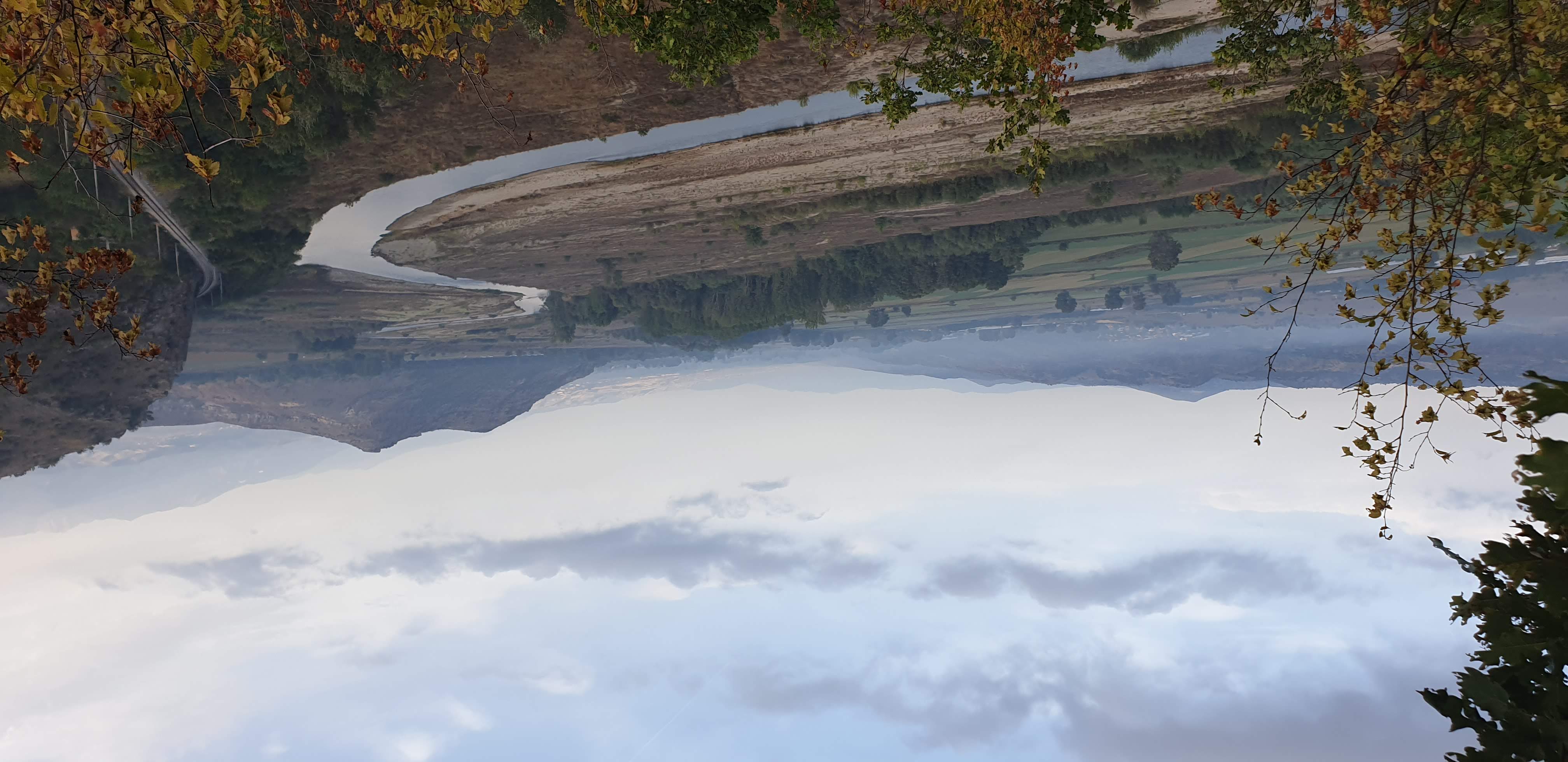
Some wine regions can be recognised by their landscape. Others by their wines. The Struma Valley can be read through the grape varieties that were born here, preserved here, or found their natural home here.
At the heart of this story is the Broad-Leaved Melnik Vine. An old local red grape variety. It is so closely associated with Melnik, Sandanski and Petrich that its name can hardly be separated from the place itself. It ripens late and needs a long period of warm weather — something the Valley’s distinctive climate can provide. Here, warm air currents from the south travel along the Struma River, while the long summer and mild autumn create conditions unlike those of most other wine-growing regions in Bulgaria.
But the Valley is not a museum.
The effort to preserve the character of the Melnik vine while adapting it to ripen earlier led to the emergence of a new generation of local varieties. The best-known among them today is Early Melnik Vine, known as Melnik 55. It retains its connection to Broad-Leaved Melnik Vine, while telling another part of the story — one of knowledge, selection and the desire for local winemaking to evolve without losing sight of its origins.
The story of the Valley is not just red.
Sandanski Misket adds to the aromatic character of the region’s white wines, while Keratsuda preserves another, rarer connection with the old viticultural traditions along the Struma River. Together with Melnik 82, Ruen, Melnik Jubilee 1300 and Melnik Ruby, they show that “Melnik” is not simply one grape variety, but an entire local wine lineage.
So when we taste a local wine, we can ask a familiar question in a different way.
Not “Do I like this wine?”, but:
“What does this wine tell me about the place it comes from?”
Broad-Leaved Melnik Vine speaks of warmth and patience. Melnik 55 — of a tradition that continues to evolve. Sandanski Misket — of the brighter, more aromatic side of the Valley.
Bottle by bottle, a map begins to take shape.
Not a map of roads and villages, but a map of flavours, grape varieties and people.
This is one way to read the Struma Valley — through the vines it calls its own.